
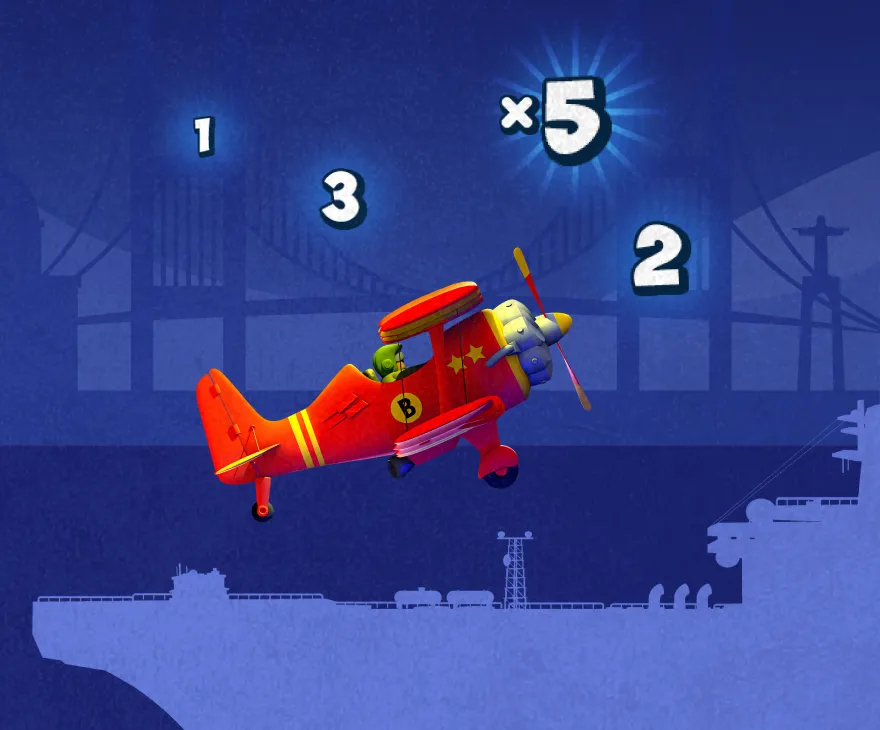
As we examine the UK’s embrace of Aviamasters’ player-centric method, it’s clear that focusing on player feedback is changing game development. This strategy not only fosters a stronger connection between developers and gamers but also elevates the overall gaming experience. The dedication to real-time dialogue and adaptive gameplay is redefining community engagement. Yet, what does this signify for the future of our gaming landscape? Let’s consider the effects further.
The Vision Behind Aviamasters’ Player First Approach
At the heart of Aviamasters’ Player First Approach lies a clear commitment to elevating the gaming experience for players. We envision a future where game design prioritizes user experience above all else, making sure that every player’s voice influences our creative decisions. By proactively connecting with our community, we obtain insights that inform our design processes, culminating in innovations that align on a personal level.
This approach goes beyond traditional methods, highlighting empathy and understanding. We believe that by immersing ourselves in players’ feedback, we can develop experiences that aren’t just entertaining but also meaningful. Each game we release becomes a medium demonstrating our dedication to players, including intuitive mechanics and engaging narratives customized to their preferences.
In summary, the Player First Approach functions as a core tenet, aligning https://en.wikipedia.org/wiki/Gambling_in_Vietnam our passion for cutting-edge game design with the demands and wants of an constantly changing player base. Together, we can transform the gaming landscape.
Enhancing Player Engagement Through Feedback Mechanisms
As we explore methods to enhance player engagement, it’s crucial we utilize effective feedback methods. By implementing real-time communication, interactive surveys and polls, and community involvement platforms, we can develop a more immersive environment that echoes player requirements. In unison, these methods not only nurture a notion of belonging but also enable players to shape their gaming adventure.
Integrating Real-Time Communication
Introducing live interaction is an crucial strategy for improving player engagement in the Aviamasters platform. By implementing instant feedback mechanisms, we can cultivate more profound bonds between players and the game. Real-time messaging functions enable players to communicate with each other and developers seamlessly, creating a lively community atmosphere. This dynamic interaction not only enriches gameplay but also promotes cooperation and shared approaches. Furthermore, prompt replies to player questions can greatly enhance happiness, making players feel appreciated and acknowledged. As we center on these innovative dialogue tools, we’ll develop an immersive atmosphere where feedback circulates freely, and players remain participating. Ultimately, adopting instant interaction will change the Aviamasters platform and fortify our group.
Interactive Surveys and Polls
Gathering player feedback through engaging surveys and polls is a effective method for boosting engagement in the Aviamasters group. By leveraging our players’ participatory choices, we can better understand their needs and choices, propelling creativity and advancement. This feedback not only directs our design selections but also cultivates a feeling of belonging.
- Identifies feedback patterns for game enhancements
- Gathers player feedback for tailored experiences
- Establishes a feedback system that cultivates confidence
- Encourages participatory involvement among players
Community Engagement Platforms
To cultivate a vibrant and active Aviamasters community, we must harness community engagement platforms that promote regular dialogue with our players. These platforms provide avenues for valuable feedback, ensuring players feel heard and strengthened. By proactively involving our community in the game development process, we cultivate a sense of ownership that fuels ongoing engagement. Community building initiatives, like forums and interactive Q&A sessions, allow us to acquire insights that can immediately shape gameplay and features. This feedback loop not only improves player satisfaction but also stimulates innovation, as players see their suggestions implemented. Ultimately, embracing these engagement platforms enables us to create a vibrant environment that focuses around player voices, reinforcing our commitment to player-first principles.
Designing Immersive Experiences Tailored to Gamers
Designing immersive experiences customized to gamers requires a deep understanding of their preferences and behaviors. By concentrating on creative approaches, we can enhance user experience through engaging elements. Immersive storytelling plays an vital role in drawing players into the game world, allowing them to connect emotionally with characters and plots. To achieve this, we should focus on:
- Deep narrative frameworks that captivate players emotionally
- Adaptive gameplay mechanics that adapt to individual player actions
- High-quality graphics and audio that create realistic environments
- Community-driven content that promotes collaboration and personalization
The Impact of Community Collaboration on Game Development
While many developers traditionally relied on their skills to shape a game’s direction, engaging with the community has become a significant element in the development process. We’ve seen how community-driven innovation fosters new ideas and perspectives, enhancing the overall gaming experience. By incorporating player feedback from the start, we can create a platform for collaborative design that transcends typical development boundaries.
This collaborative environment encourages meaningful dialogue, allowing us to identify and address player preferences and pain points. It stimulates creativity, resulting in distinctive features that resonate with the gaming audience. Through tools like forums and beta testing phases, we’re able to cultivate a sense of ownership among players, making them feel part of the journey. Ultimately, this not only enhances the game itself but also builds a loyal community that’s invested in its success. Embracing community collaboration is no longer a choice; it’s vital for innovative game development.
Success Stories: Games That Have Thrived With Player Input
As we explore the success stories of games that have flourished with player input, it becomes evident how revolutionary this collaboration can be. Incorporating player feedback has led to notable player-driven innovations, demonstrating that community-led success is more than just a fad—it’s a necessity.
- Minecraft
- Fortnite
- No Man’s Sky
- Roblox
These examples not only showcase how games can strike a chord deeply with their audience, but they also underline the power of shared creativity in the gaming landscape. Let’s proceed to support this innovative approach!
The Future of Gaming: Trends in Player-Centric Development
With the rapid progress of technology and the gaming industry, we’re observing an irrefutable shift towards player-centric development, where our insights and preferences influence the gaming experience more than ever. This shift suggests that developers are embracing crowdfunding models more frequently, giving us—players—a immediate stake in game creation. As we contribute financially and creatively, we gain a voice in shaping the final product, guaranteeing it aligns with what we wish for.
Furthermore, the concentration on evolving narratives boosts our engagement, enabling us to affect storylines that echo our experiences and tastes. This trend cultivates a sense of control and community, as we together participate in co-creating engaging worlds.
As we look to the future, it’s evident that player-centric development isn’t just a trend; it’s transforming how games are developed, welcoming us into a cooperative and creative creative process that truly serves to our requirements.
Conclusion
In adopting a player-first approach, we’re not just improving our games; we’re transforming the very core of game development. By emphasizing player feedback and encouraging community collaboration, we’re crafting experiences that resonate deeply with gamers. As we look to the future, it’s evident that this trend towards player-centric design will only solidify the bond between developers and players—ushering in an period of gaming that’s more immersive, innovative, and community-driven than ever before.